
16 Jan 2016, 03:13 pm Print
In a statement, the UN health agency said the Sierra Leone Government acted rapidly to respond to this new case.
Meanwhile, through the country’s new emergency operations centre, a joint team of local authorities, WHO and partners are investigating the origin of the case, identifying contacts and initiating control measures to prevent further transmission.
While WHO had declared West Africa free of Ebola transmission yesterday in a statement, it had also stressed that Guinea, Liberia and Sierra Leone remain at high risk of additional small outbreaks in the coming months due to the virus persisting in survivors after recovery.
"We are now at a critical period in the Ebola epidemic as we move from managing cases and patients to managing the residual risk of new infections,” said Dr. Bruce Aylward, WHO’s Special Representative for the Ebola Response, on Thursday.
Sierra Leone is currently in a 90-day period of enhanced surveillance following the declaration on 7 November of the end of Ebola transmission in the country. This period is designed to ensure no hidden chains of transmission have been missed and to detect any new flare-ups of the disease.
Since March 2014, the Ebola epidemic has claimed the lives of more than 11,300 people and infected over 28,500.
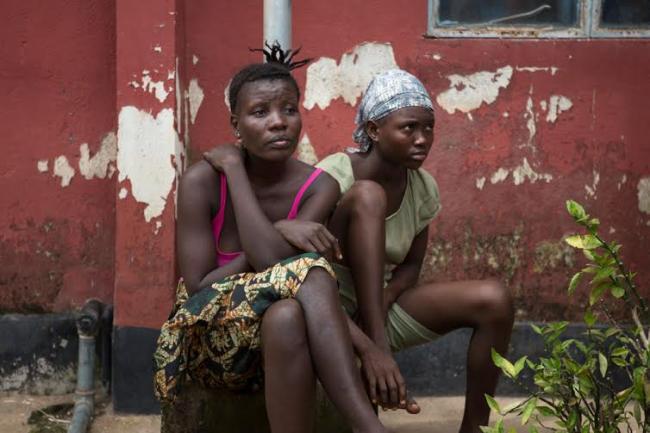
Photo: UNICEF/Tanya Bindra
- Hot tea, hot coffee and cancer: Oxford study raises a new warning
- Taking Ozempic or Wegovy? Study finds possible link to hair loss in men
- Bhutan makes history: WHO declares country free of dog-transmitted Rabies
- Sugar-free but not risk-free? Study raises alarm over popular sweetener
- Type 2 diabetes affects men and women differently: New study unveils a shocking health divide