Top pick: Meet ZenMouse MD202: ASUS’s latest gadget you didn’t know you needed


Just Earth News | @justearthnews | 02 Feb 2026
#night owls heart risk #evening chronotype heart disease #late sleep cardiovascular health #heart attack risk study #stroke risk night owls #American Heart Association study
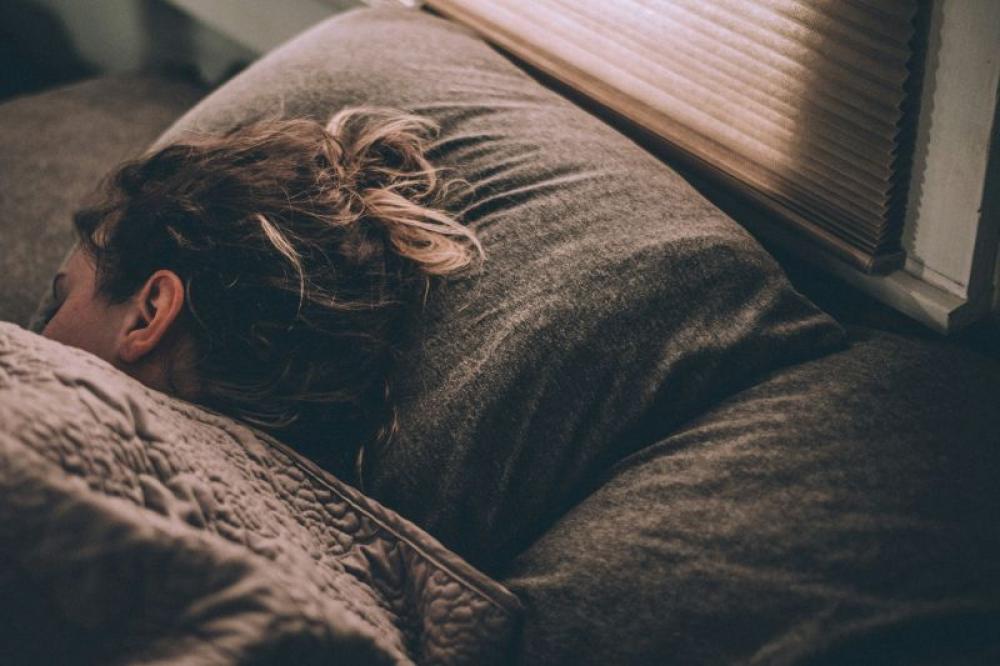
A woman sleeping in his bed. Photo: Unsplash
Middle-aged and older adults who are more active in the evenings may have poorer cardiovascular health than those who are more active earlier in the day, according to new research published in the Journal of the American Heart Association, a peer-reviewed, open-access journal of the American Heart Association. The association appears to be particularly pronounced among women.
Researchers analyzed health data from more than 300,000 adults in the UK Biobank, with an average age of about 57 years, to examine how chronotype — an individual’s natural preference for sleep and wake timing — relates to cardiovascular health.
Approximately 8% of participants identified as “definitely evening people,” characterized by late bedtimes (for example, around 2 a.m.) and peak activity later in the day. About 24% described themselves as “definitely morning people,” typically going to bed earlier (around 9 p.m.) and being more active in the early hours. The majority, roughly 67%, were classified as having an “intermediate” chronotype, meaning they did not strongly identify as either morning or evening types.
Cardiovascular health was assessed using the American Heart Association’s Life’s Essential 8™ metrics, which evaluate both health behaviors and clinical factors linked to optimal heart health. These include diet quality, physical activity, smoking status, sleep health, body weight, cholesterol, blood sugar and blood pressure levels.
Compared with intermediate chronotypes, “evening people” had a 79% higher prevalence of poor overall cardiovascular health scores.
Night owls faced a 16% higher risk of heart attack or stroke over a median follow-up of nearly 14 years.
The link between evening chronotype and lower cardiovascular health scores was stronger in women than in men.
Much of the elevated heart disease risk among evening types was associated with modifiable behaviors, particularly smoking and inadequate sleep.
In contrast, “morning people” had a 5% lower prevalence of poor cardiovascular health scores compared with intermediate chronotypes.
“Evening people often experience circadian misalignment, meaning their internal body clock does not align well with the natural light-dark cycle or with typical daily schedules,” said lead author Sina Kianersi, Ph.D., D.V.M., a research fellow in the Division of Sleep and Circadian Disorders at Brigham and Women’s Hospital and Harvard Medical School in Boston. “They may be more likely to engage in behaviors that negatively affect cardiovascular health, such as poorer diet quality, smoking and irregular or insufficient sleep.”
However, experts say the findings are not entirely discouraging for night owls. Kristen Knutson, Ph.D., FAHA, who chaired the American Heart Association’s 2025 scientific statement on circadian health and cardiometabolic risk and was not involved in the study, emphasized that many of the risks are modifiable.
“These findings suggest that the increased heart disease risk among evening types is partly driven by behaviors such as smoking and poor sleep,” Knutson said. “Evening types are not inherently less healthy, but they may face challenges that make it especially important to prioritize healthy lifestyle habits.”
The American Heart Association’s scientific statement also highlights the importance of considering chronotype when planning treatments and interventions.
“Some medications or therapies may be more effective when timed to specific circadian rhythms, which differ depending on whether someone is a morning, intermediate or evening type,” Knutson explained. “Tailored programs for people who naturally stay up late could help improve lifestyle behaviors and lower cardiovascular risk.”
The researchers noted several limitations. Most UK Biobank participants were white and generally healthier than the broader population, which may limit how broadly the findings apply. Additionally, chronotype was self-reported and measured only once, which may not fully capture changes in sleep-wake preferences over time.