Top pick: Evil Dead actor Bruce Campbell opens up about cancer fight


Just Earth News | @justearthnews | 09 Jan 2026
#weight regain #weight loss drugs #GLP-1 receptor agonists #semaglutide #tirzepatide #obesity treatment
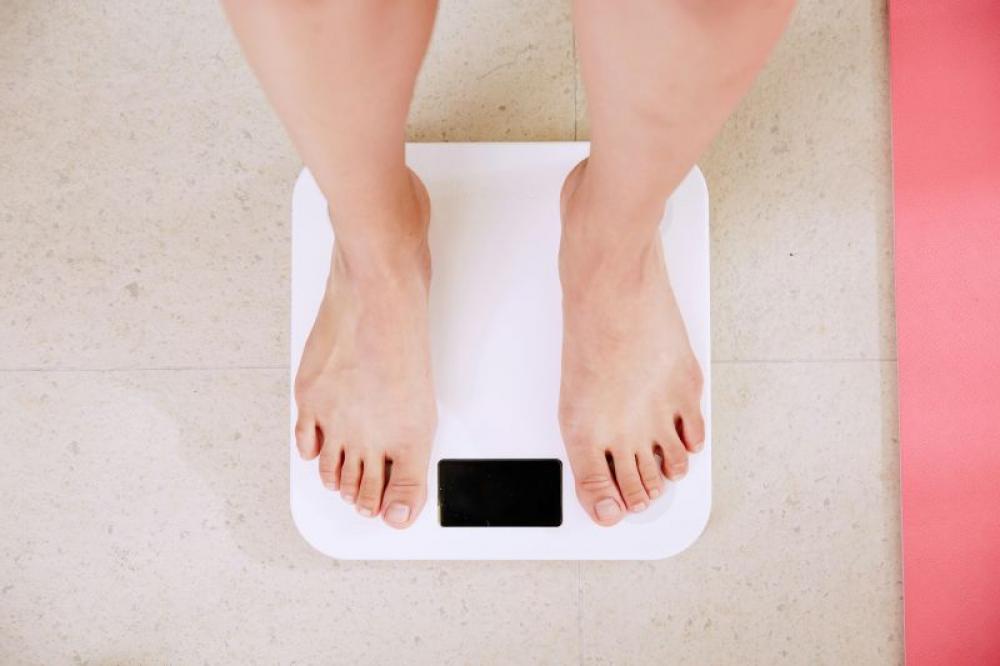
Research shows weight tends to rebound rapidly after discontinuing weight-loss medications, highlighting obesity as a long-term condition. Photo: Unsplash
People tend to regain weight rapidly after stopping weight-loss drugs—often faster than after ending behavioural weight loss programmes—according to a new systematic review and meta-analysis by researchers at the University of Oxford’s Nuffield Department of Primary Care Health Sciences, published recently in The BMJ.
The findings come amid real-world data showing that nearly half of people discontinue GLP-1 receptor agonist treatment within 12 months. This also follows the UK’s National Institute for Health and Care Excellence (NICE) issuing quality standards recommending at least one year of post-treatment support, according to the University of Oxford.
Across 37 studies involving 9,341 adults, researchers found that weight increased by an average of 0.4 kg (0.9 pounds) per month after weight management drugs were stopped. At this pace, individuals would return to their starting weight within approximately 1.5 to 2 years.
For newer medications such as semaglutide and tirzepatide, weight regain was even faster, averaging 0.8 kg (around 1.8 pounds) per month. Projections suggest a return to baseline weight in roughly 1.5 years, although data beyond 12 months after stopping these drugs remains limited, reads the University of Oxford website.
Crucially, weight regain after discontinuing medication was faster than after ending behavioural weight loss programmes—such as diet and exercise support—by around 0.3 kg (0.7 pounds) per month, regardless of how much weight had been lost initially. While combining behavioural support with medication led to greater weight loss, it did not slow the rate of weight regain once treatment ended.
Cardiometabolic markers, including HbA1c, fasting glucose, blood pressure, cholesterol and triglycerides, improved during treatment but were estimated to return to baseline levels within about 1.4 years after medications were stopped.
“These medicines are transforming obesity treatment and can achieve important weight loss,” said lead author Dr Sam West, a postdoctoral researcher at the Nuffield Department of Primary Care Health Sciences. “However, our analysis shows that people tend to regain weight rapidly after stopping—faster than we see with behavioural programmes. This isn’t a failing of the medicines; it reflects the nature of obesity as a chronic, relapsing condition. It cautions against short-term use without a comprehensive, long-term approach.”
The Oxford team reviewed 37 studies tracking more than 9,000 adults who discontinued weight management medications after an average treatment period of 39 weeks. Participants were followed for about 32 weeks after stopping treatment.
The analysis covered a range of drugs, from older medications such as orlistat to newer GLP-1 receptor agonists including semaglutide and tirzepatide. Three different analytical methods were used, all yielding consistent results.
Using data from a previous systematic review, researchers found that weight regain occurred faster after stopping medication than after behavioural interventions by approximately 0.3 kg per month, independent of the amount of weight initially lost.
“This faster regain may be because people using drugs don’t need to consciously practise changing their diet to lose weight,” said senior author Associate Professor Dimitrios Koutoukidis. “When treatment stops, they may not have developed the practical strategies needed to maintain weight loss. Our findings also have implications for cost-effectiveness. NICE initially assumed weight would return to baseline over two to three years—our data suggests this happens in about 18 months.”
An estimated nine in ten people currently using weight-loss medicines in the UK are purchasing them privately, often without comprehensive clinical oversight or behavioural support.
Professor Susan Jebb, joint senior author, said obesity should be viewed as a long-term condition rather than a short-term problem. “When people lose weight through diet and physical activity, they practise the skills that help maintain that loss. With medication, weight can come off without necessarily developing those skills. These findings highlight the importance of a holistic, long-term approach to weight management and stronger emphasis on preventing weight gain in the first place.”
“For prescribers and patients—particularly those purchasing these drugs privately—it’s vital to understand the risk of rapid weight regain if treatment stops, and the value of ongoing behavioural support,” she added.
The researchers note that evidence for newer drugs such as semaglutide and tirzepatide remains limited, with relatively short follow-up periods after treatment cessation. Most studies were conducted in controlled trial settings rather than real-world clinical practice. However, results were consistent across multiple sensitivity analyses.
“The question isn’t whether these medicines work—they clearly do,” Dr West said. “The question is how we use them most effectively and sustainably. Treating obesity requires long-term commitment, not just from patients, but from healthcare systems as well.”
The full study, ‘Weight regain following the cessation of medication for weight management: a systematic review and meta-analysis’, is published in The BMJ. The research was funded by the National Institute for Health and Care Research (NIHR) Oxford Biomedical Research Centre.